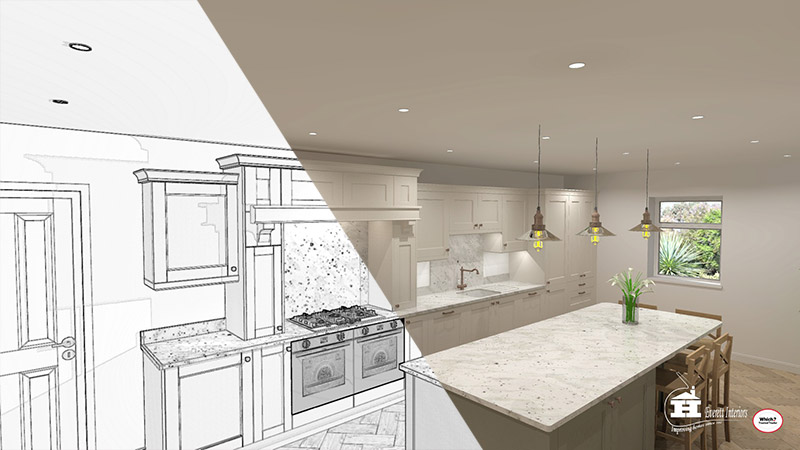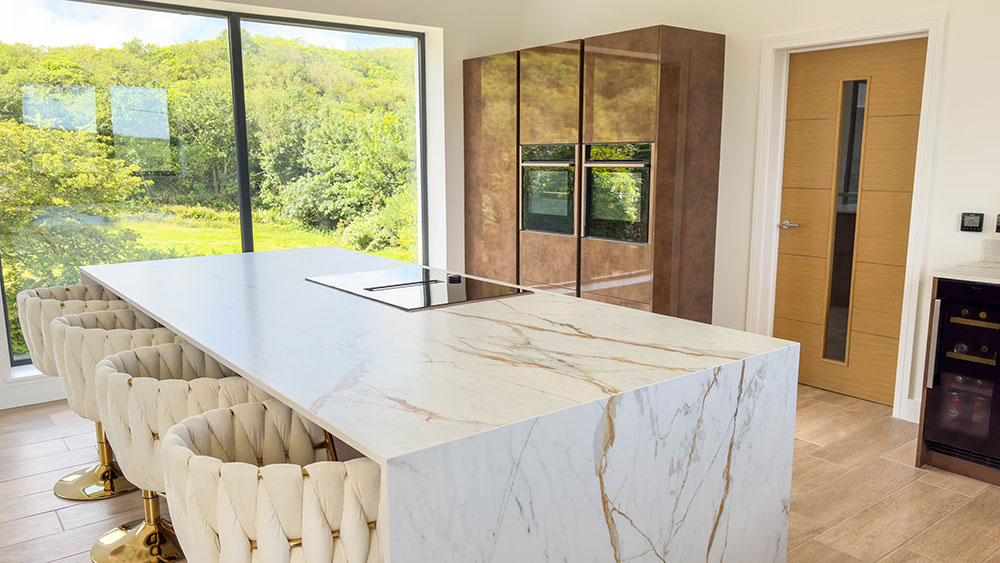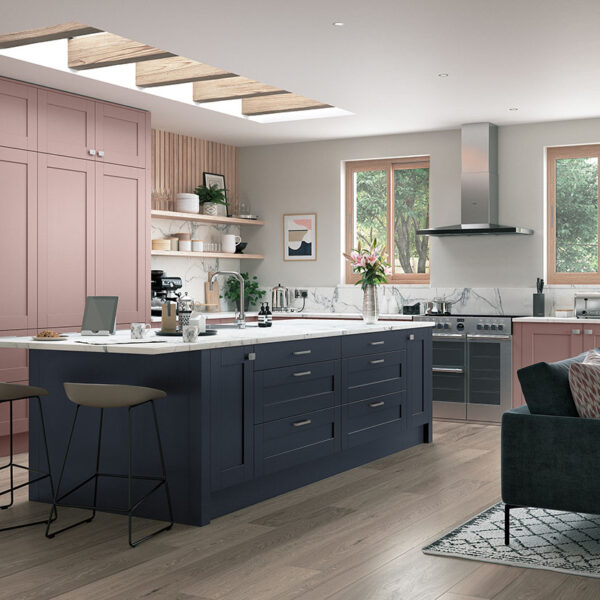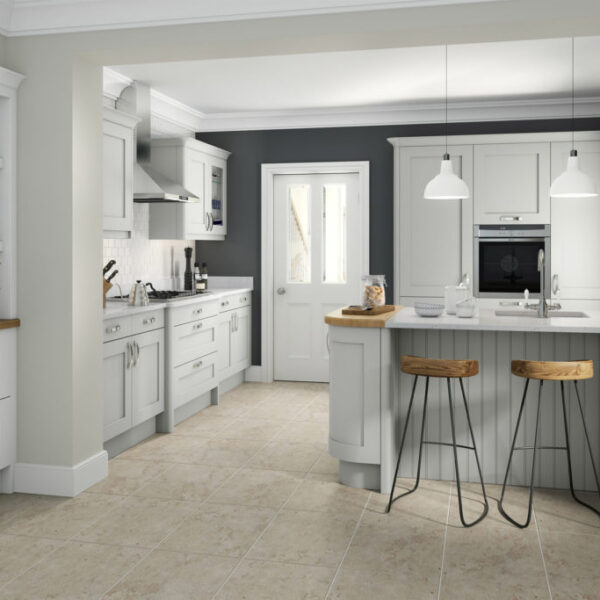
Buying a new kitchen is a big investment, and for many people, it’s something they may only do once or twice in their lifetime. Taking the time to get the right advice from the very beginning can make all the difference. That’s where we’re here to help, from the initial ideas and design right through to installation and completion.
Before looking at colours, door styles and worktops, think about how you actually use your kitchen. What works well in your current kitchen, and what would you change? Consider cooking, entertaining, storage, appliances and how many people use the space at the same time.
You can never have too much useful storage. Think about what you need to store and where you would like it to be. Deep drawers, pull-out storage and well-planned cupboards can make everyday tasks much easier.
A good kitchen isn’t simply about filling the available space with cupboards. The position of the sink, hob, oven, fridge and preparation areas should work together naturally. A well-designed layout can make your kitchen easier and more enjoyable to use.
The kitchen itself is only part of the project. Think about plumbing, electrical work, lighting, flooring, tiling, decorating, extraction and any building work that may be required. Understanding these requirements early can help avoid unexpected costs later.
Think about which appliances you actually need and how they will fit into your lifestyle. Consider energy efficiency, capacity, functionality and, importantly, where each appliance will be positioned within the kitchen.
Plan your lighting and socket positions before the kitchen is installed. Good task lighting can make a huge difference, while conveniently positioned sockets help prevent your worktops becoming cluttered with extension leads.
A kitchen may look fantastic, but what’s behind the doors matters too. Look at the quality of the cabinets, hinges, drawer systems and internal fittings. These are the parts you will use every day and should be built to withstand that use.
Establish your budget early, but remember to consider the complete project rather than just the price of the kitchen furniture. Installation, appliances, worktops, electrical work, plumbing and finishing touches can all affect the final cost.
Even the best kitchen can be let down by poor installation. Ask who will actually carry out the work and what experience they have. A kitchen installation often involves several different trades, so having someone experienced coordinating the project can provide valuable peace of mind.
Don’t be afraid to ask questions. Look at reviews, previous projects, guarantees and after-sales support. Most importantly, choose a company that listens to you, understands your home and takes the time to create a kitchen that works for you, rather than simply selling you a kitchen.
A new kitchen should be about more than how it looks on the day it is installed. Good design considers how you live, how you use the space and how the kitchen will continue to work for you for years to come.
Take your time, ask questions and make sure you are comfortable with the people you are trusting with your home.